What is Quiet Hiring, and Can it Overtake Quiet Quitting?
A new HR term has been floating in the air these days, and news channels and discussion forums are all debating about what does it involve? And, after the 2022 Covid-19 pandemic, with people losing jobs and companies shutting down, Human Resources[1] is getting back on track. Quiet hiring has been a hot topic or a new way to hire employees. And it is most likely to rule in 2023. Let’s dive deep into what it is, how it can help, and if it’s going to take over the ancient hiring trends.
The idea behind silent hiring is that a company can fill shortages and add new talents despite being willing to hire full-time workers. Internal and external hiring are the two most common types of covert hiring. Internal quiet hiring refers to the possibility of present employees temporarily assuming new responsibilities or switching roles throughout the company. External quiet hiring refers to the use of temporary contractors to maintain business operations without adding more full-time staff. Whether a slump occurs or not, the truth for the upcoming year is that everyone is a little on edge since, in many situations, corporations are slowing down their employment rather than necessarily freezing or eliminating it.
What exactly is Quiet Quitting?
To understand quiet hiring, let’s begin with its roots and where it branched out from. Quiet quitting is when you aren’t explicitly quitting your job; you are renouncing the notion of going over and above at work. You continue to perform your duties, although you never succumb to the hustle mindset that demands that job be your life. So, quiet quitting is actually a way for workers to balance their work and life by getting paid for what they work for and not going the extra mile. Nevertheless, quiet quitting might be a great way to relax employees, but it increases the burden on the company.
What does Quiet Hiring Mean?
Quiet hiring, in a literal sense, is the reversal of quiet quitting. The hiring tactic of identifying supposed “over-workers” within an organization and compensating them above other employees, most significantly used by Google, is known as quiet hiring. Individuals who stick out by performing over and beyond gain more (positive) exposure, more income, more acclaim, and more possibilities in a market where hiring is quiet. It is true whether it comes in the form of incentives, advancements, pay raises, or more difficult roles.
Can Quiet Hiring be a Substitute for Quiet Quitting?
51% of Hr practitioners are worried about quiet quitting, according to data. Additionally, 83% of HR professionals believe that silent resigning will lower employee engagement, while 70% believe it will decrease performance, and 50% believe it will deteriorate the standard of employees’ job products. So quiet hiring is a product of quiet quitting. But, the only valid question here is whether quiet hiring can be a substitute for quiet quitting.
The answer lies somewhere between yes and no. The answer is yes, but not all organizations are created equal. Quiet hiring is a strategy used to persuade “quiet quitters” to take the plunge and get more and more involved in the company. Some companies are diverse in their goals and values, while others are monolithic. Any organization needs principles to function.
They outline the firm’s priorities and the duties that are required of personnel. Assume that a company’s values are clearly stated, consistent with management styles, and woven into the very structure of the business. Employees who comprehend concepts in such situations are more inclined to behave for the organization’s mutual benefit.
Although different people have different beliefs and objectives, it is nevertheless feasible to attract “quiet quitters.” This milestone can be achieved easily by employing competent managers. Quiet resignation is unmistakably a symptom of inadequate management. As per research, quiet quitting is often more related to a manager’s ability to build relationships with employees than a worker’s readiness to work more creatively.
How important is Quiet Hiring?
Quiet hiring is a phenomenon that has always been a part of HR practices. It is a way to recognize those who make an additional effort in the interest of the company and give them the benefits and incentives that they deserve. It has always been a part of the ancient HR hiring techniques or a way to retain your old and expert employees. It has just become a trend recently as a result of the quiet quitting movement that hit firms during the pandemic.
Benefits for Employers and Staff
Although it may appear that the tactic of silent hiring is intended to benefit companies, it also benefits workers who are anxious to progress in their professions and make more money. It provides employees with a road to credit by giving extra chores and obligations to those who take them on initially. In other terms, it provides workers greater control over their careers, which increases their value and raises their income.
Employers benefit greatly from silent hiring since it not only cuts resources and time during what would ordinarily be a lengthy hiring cycle but also places the top applicants in open jobs. It is important now because it is so challenging to hire and retain workers. Furthermore, it fosters employees’ commitment, guaranteeing that you’ll always have the smartest, most motivated workforce.
What Makes Quiet Hiring Appealing to Employees?
Because savvy businesses are deliberately but covertly increasing this practice of internal promotion. What companies do when they covertly promote from within is as follows:
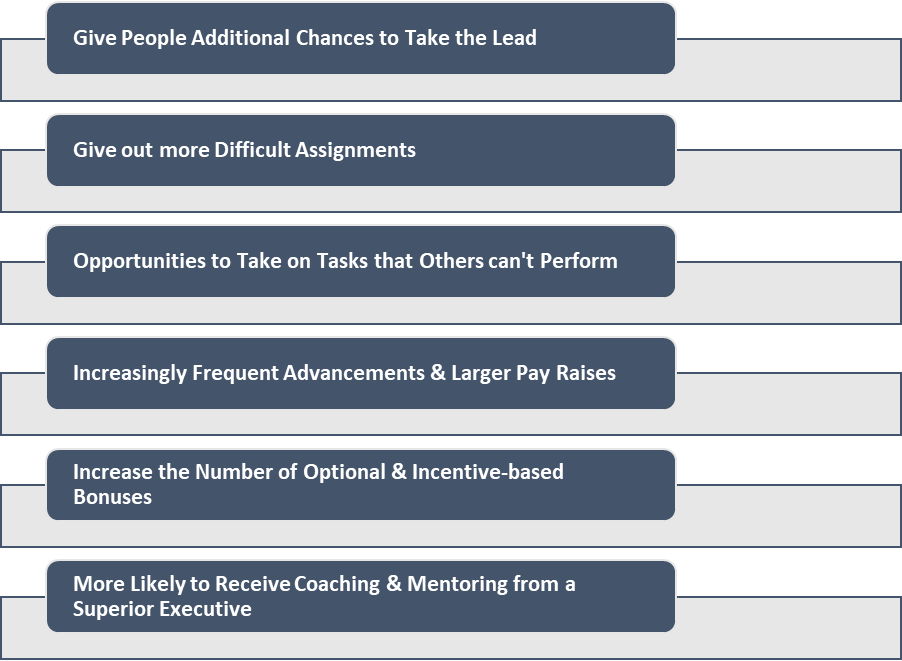
Internal Hiring Practices
Naturally, this calls on staff to take on greater duties, which cannot occur with a quiet quitting. As a result of internal hiring practices, people who quietly leave their jobs miss out on raises and earn several hundred dollars less annually, as well as potentially even less over the course of their careers.
Many people think that departing quietly harms enterprises. However, it seriously also hinders people and their capacity to advance in their careers.
The bottom Line
To end this debate, we can say that quiet hiring does not necessarily provide the answer for quiet quitting as we move towards a generation that stresses over a work-life balance. However, a lot of people still engage in hustle culture or work beyond what their job pays them for, and here quiet hiring can actually help give them recognition and appraisal.
In the end, it is crucial for any firm to practice quiet hiring to retain its employee base. Keep reading our blogs for IT recruitment services, hiring trends, and other interesting topics.
Read our Article: Recruitment Resolutions for 2023: Hiring Trends for the New Year