Difference between Headhunting and Recruitment: An Overview
Although the terms “recruiting” and “headhunting” are occasionally used synonymously, there are clear, significant differences. The main difference between headhunting and recruitment is that recruiters choose candidates from a pool of interested and active job seekers, and headhunters actively seek out the professional with the skills and credentials needed for a post. How do headhunting and recruitment differ from one another? The first thing to note is how drastically different both of these are. Let’s first clarify what each phrase means before learning the difference between headhunting and recruitment.
Introduction
Depending on the role that has to be filled, businesses apply several methods for recruiting and hiring personnel. An organization may utilize the processes of recruitment and headhunting. The primary difference between headhunting and recruitment is that headhunters continue to pursue any person with the expertise and credentials needed for a position, whereas recruiters select from a list of interested, active job searchers. In comparison to recruiters, headhunters may have an edge because they hire from the whole talent pool, even passive job seekers. Companies should be aware of the services provided by recruitment agencies and comprehend the various methods before collaborating with them. Understanding the recruitment and hiring process for a career that interests you can be achieved by learning about the difference between headhunting and recruitment, as well as how each of these approaches functions. In this article, we’ll define headhunting and recruitment, as well as go over some of the key differences between headhunting and recruitment.
What Is Recruitment?
Companies utilise recruitment as a procedure to recruit people for open positions and fill them. To draw candidates, recruiters employ strategies including going to job fairs and posting jobs online. They interview job seekers and reach out to people in the workforce who might wish to change careers. Instead of being found by a recruiter or being offered a position, job candidates often locate the position through a job search. Although they frequently operate as inside workers for the company’s human resources[1] department, recruiters occasionally work for agencies. To fill vacancies, a recruiter or team of recruiters collaborate on a more extensive process of identifying, screening, recruiting, and selecting applicants for the organisation. People who work in recruitment frequently act as a link between employers and job searchers, giving their time to both groups.
What Is Headhunting?
The process of locating the ideal applicant for a post is headhunting, commonly referred to as an executive search. Employers utilise this technique to fill executive jobs or the chief executive officer and other leadership positions inside the organisation. An experienced head-hunter can help in locating highly skilled people to possibly fill open positions. They typically work for agencies. However, businesses may employ them if they need to fill executive roles. The fact that this approach Is meant for experts who work for other organizations or are not looking for work right now makes it special. These are not active applicants but rather passive candidates. Finding people with the correct skills and qualifications might be difficult, but this is a smart technique. Companies frequently offer benefits and pay attractive salaries to get candidates to join their teams.
Difference between Headhunting and Recruitment
Employers hire people through both the recruitment process and headhunting. More exclusive or highly competent candidates are hired through headhunting. For the hiring of all personnel inside an organisation, recruiting is necessary. Let’s examine the main difference between headhunting and recruitment:
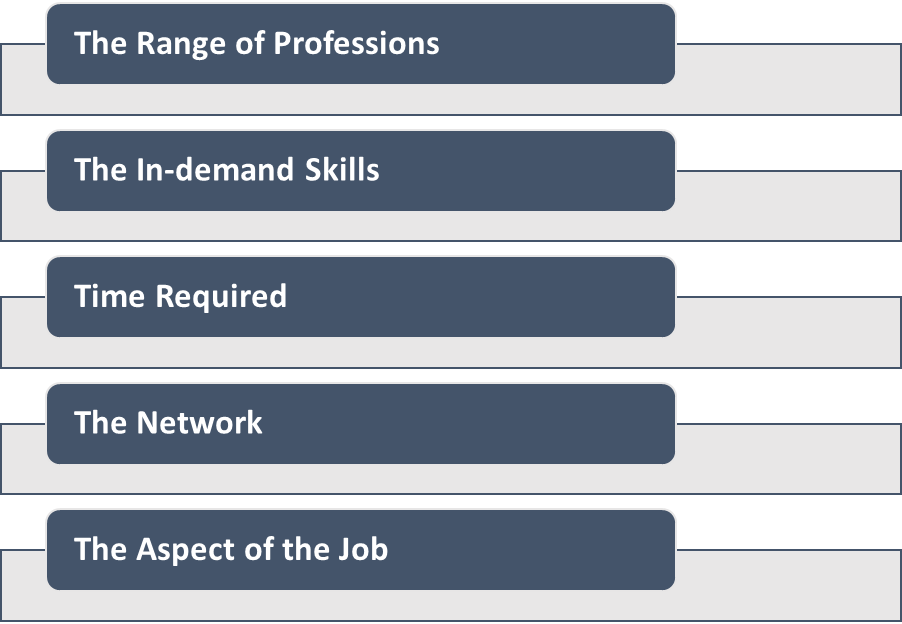
- The Range of Professions: The crucial difference between headhunting and recruitment is likely this one. Headhunters generally concentrate on a small number of positions. A headhunter’s focus is just on the present position. Top management or board members typically engage in headhunting to fill executive-level or centre office positions. The positions are challenging to fill and typically call for a candidate who is extremely qualified or is in the front of his field. On the other side, recruitment involves people who are in charge of the hiring activities for the company. Recruiters typically deal with middle management or entry-level positions, which are the core of the system in hiring. They frequently hire for a variety of roles, and usually, the skills are similar. Recruiters are employed and have extensive industry experience or exposure.
- The In-Demand Skills: The in-demand skills that they seek out are a significant point of difference between headhunting and recruitment. Recruitment involves hiring entry-level or middle-level managers, so it calls for a wide range of skill sets from the applicant. If the organisation is decently sized, there will be hundreds of job applications. Thus, the ideal candidate is likely to be sort of a jack of all trades. A candidate with a wide skill set is not only adaptable and can be moved between departments but also fits in very well with the employees who work there. In the case of headhunting, the candidate is required to be an expert and at the top In their specific skill rather than having a variety of skills. They are expected to do their tasks and serve as a role model in their community.
- Time Required: Another notable difference between headhunting and recruitment is this. The time given to each candidate is very limited because recruiters must deal with a large number of applicants. For recruitment, quantity is more important than quality. And in the case of headhunters, quality is prioritised over quantity. It’s up to headhunters to locate the top talent in each field. From scouting to developing a connection through the talent’s final absorption, headhunting will require a significant time commitment. It is not uncommon for headhunters to focus on a possible candidate for months before changing their focus when the necessary skill sets change slightly. Before concluding a deal, headhunters must identify the ideal fit.
- The Network: The network is yet another crucial difference between headhunting and recruitment. Compared to headhunters, recruiters typically have a huge network because recruiting involves wider and more varied employment sectors. Because they have a lot of positions and vacancies to fill, recruiters need a lot of relationships across departments. The requirement to be a jack of all trades is unquestionably valid when it comes to recruitment; however, when you need to be a master of all trades typically depends on the firm you are working for and the difficulty of the position. While headhunters frequently have excellent networks as well, they frequently focus on a single area of expertise. For example, the headhunters entrusted with finding a replacement for the chief of research most likely have a tech-focused network. A headhunter typically has a far deeper network than a recruiter, even though they may have a smaller overall network.
- The Aspect of the Job: Their respective job roles are another difference between headhunting and recruitment. Headhunters often fill just one type of position. For instance, if a business wants to hire a head of research and development, the CTO will most likely participate in the headhunting process along with the board members. The CEO, not the CTO, should be involved in the process if the position of marketing director is open. The headhunters’ jobs are eliminated when the position is filled. Typically, recruiters are employed specifically to handle all aspects of hiring. They encompass the entire employment process of a business, including job advertisement, candidate interaction, hiring, and onboarding of new hires. Unlike headhunters, recruiters work for the company on a full-time basis.
Conclusion
Any industry that wants to improve its hiring practices must comprehend the difference between headhunting and recruitment. Your business needs to figure out how to make recruitment and headhunting more effective. Recruiters and headhunters both play critical roles in carrying out the hiring and recruiting activity on behalf of businesses. While recruiters screen through active job searchers and provide suggestions of qualified individuals, headhunters perform thorough research for opportunities with a small circle of qualified. Before collaborating with a third party to handle the recruitment process for open positions, businesses must know the difference between headhunting and recruitment. To get more insights on executive recruitment services and other topics related to hiring, keep reading our blogs.
Read our Article: What is Recruitment ROI, and how is it calculated- An Overview